How to Turn Travel Time Into a Strategic Advantage
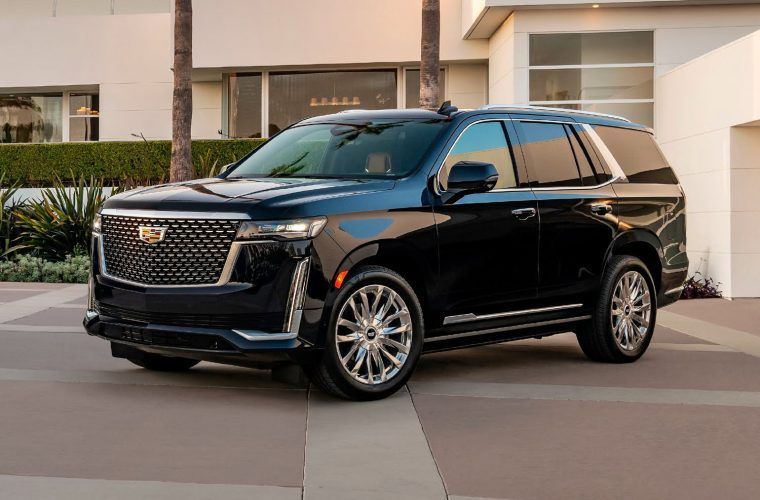
Time is one of the most valuable resources a professional can have, but is frequently wasted during commutes. Long commutes or business trips can feel unproductive if not managed effectively. However, with the right approach, travel can become an opportunity to plan, prepare, and gain clarity before important meetings or deadlines. Even short periods in transit can be optimized for focus, preparation, or mental refresh. Understanding how to transform travel into a productive period is the first step toward gaining a competitive advantage in any professional setting.
At Limousine A1, INC, we focus on maximizing the value of travel time for our clients. We design our limousine experience to allow passengers to focus, plan, or rest while in transit. Attention to detail, professional chauffeurs, and technology all work together to maximize the effectiveness of travel time. Eliminating travel stress allows clients to use travel as an uninterrupted work period. This strategy converts travel from idle time into a productive opportunity.
How to Plan Travel to Maximize Productivity
Travel efficiency starts with intentional planning. Knowing schedules, appointments, and priorities in advance ensures that every minute is purposeful and productive. Planning for interruptions ensures smoother, more effective transit periods. Incorporating clear timelines and structured agendas can turn transit periods into uninterrupted work sessions or reflective time. Advance planning increases confidence and ensures smoother travel.
Planning properly enables passengers to accomplish tasks during transit. Predicting delays and streamlining the route helps keep travel efficient and effective. Proper planning ensures clarity and efficiency from the first mile of travel. Consistency in travel planning maximizes every transit opportunity. Planning effectively converts travel into a deliberate and productive period.
Making Travel Time Productive
A productive environment is essential for making the most of travel time. Comfortable seating, privacy, and minimal distractions allow passengers to focus on work or rest effectively. Mobile connectivity, such as reliable Wi-Fi and charging options, ensures that communication and digital work can continue uninterrupted. A well-organized vehicle also provides space for documents, devices, and personal items needed to maintain productivity. These elements together create a setting that transforms travel from idle time into meaningful engagement.
Maximizing the potential of travel requires intentional use of available tools and resources. Transit time can be leveraged for document review, strategy, or urgent communications. Even brief periods in transit can be productive if the environment supports focus and concentration. Thoughtful design of the vehicle interior improves concentration and energy levels. Considering travel as active time helps maintain productivity and preparedness.
The Role of Professional Chauffeurs in Maximizing Efficiency
A professional chauffeur does more than drive a vehicle—they manage logistics and maintain a smooth experience. When a driver takes responsibility for navigation, traffic awareness, and timing, passengers can concentrate fully on their tasks. Managing travel alone can be draining, but professional support relieves stress and improves efficiency. Professional oversight allows passengers to use transit time confidently for planning or work. A skilled chauffeur is therefore a key partner in transforming transit into a productive period.
Drivers adapt to sudden changes in schedule or route to maintain efficiency. They can adjust routes, manage schedules, and maintain punctuality without requiring input from the passenger. Travel time remains uninterrupted and valuable with professional oversight. Professional skill and discretion ensure every moment of travel contributes to productivity. With professional support, transit becomes a seamless and productive part of the day.
Maximizing Productivity Through Travel Time Management
Time management during travel requires intentional planning and prioritization. Recognizing which activities can be done en route ensures continued productivity. Allocating time for work or reflection makes travel time productive and meaningful. Professionals can also combine relaxation and productivity, balancing high-intensity work with periods of mental recovery. Effective time management ensures that travel time contributes meaningfully to overall performance and efficiency.
Incorporating structured activities during travel enhances output and reduces stress. Activities like document review, meeting prep, or email responses can be handled on the go. Scheduling dedicated time for planning or thinking improves focus and decision quality. Considering transit as intentional work time helps preserve both efficiency and quality. This approach ensures that every transit period is aligned with overall goals and priorities.
How Technology Enhances the Limousine Travel Experience
Connectivity and technology are crucial for making transit productive. Reliable internet, charging ports, and communication tools allow passengers to maintain workflow and stay connected during transit. Proper use of onboard technology turns the vehicle into a functioning workspace. The integration of technology also facilitates collaboration, research, and real-time decision-making. Proper connectivity ensures that travel does not disrupt responsibilities or important communications.
Limiting downtime with access to technology enhances both efficiency and flexibility. Transit time can be used for online meetings, report evaluations, or correspondence. A well-equipped environment ensures that work progresses smoothly regardless of location. Comfortable, private, and connected environments maximize the value of travel. This technological integration turns travel time into a productive and efficient component of the day.
Optimizing Travel Comfort for Maximum Focus
Maintaining physical ease helps passengers stay alert and productive. Proper seating, climate regulation, and quiet conditions enhance focus and readiness. Physical ease allows the mind to tackle demanding tasks and make thoughtful decisions. Details like interior layout, lighting, and accessibility enhance travel productivity. Maintaining comfort ensures that travel time is used efficiently and without distraction.
Comfort lowers anxiety and enhances the ability to concentrate on essential tasks. Proper comfort ensures passengers are alert and prepared upon arrival. Comfort plus efficiency tools transform transit into productive periods. All environmental factors work together to boost productivity and results. Optimizing comfort ensures that travel adds measurable value to a professional schedule.
Leveraging Travel as a Strategic Advantage
Treating travel time as purposeful alters the approach to daily productivity. Time spent in transit can be used for preparation, reflection, planning, and recovery, contributing to overall performance. By intentionally designing travel time to support these activities, professionals gain a significant edge in productivity. Travel becomes an intentional and productive interval rather than idle time. Adopting this mindset converts transit into a competitive asset.
Through Limousine A1, INC, personal chauffeur clients can maximize travel as a productive period. Comfort, connectivity, and expert support are all included to maximize travel effectiveness. Every trip is organized to optimize output, minimize strain, and prepare passengers for their next engagement. Combining comfort, technology, and professionalism makes travel an active part of productivity. Every journey with Limousine A1, INC transforms travel into measurable value and advantage.